
10 Hobbies You Can Realistically Turn Into an Income
- Advertisement -
Source: Samridhi Samal | Dupe 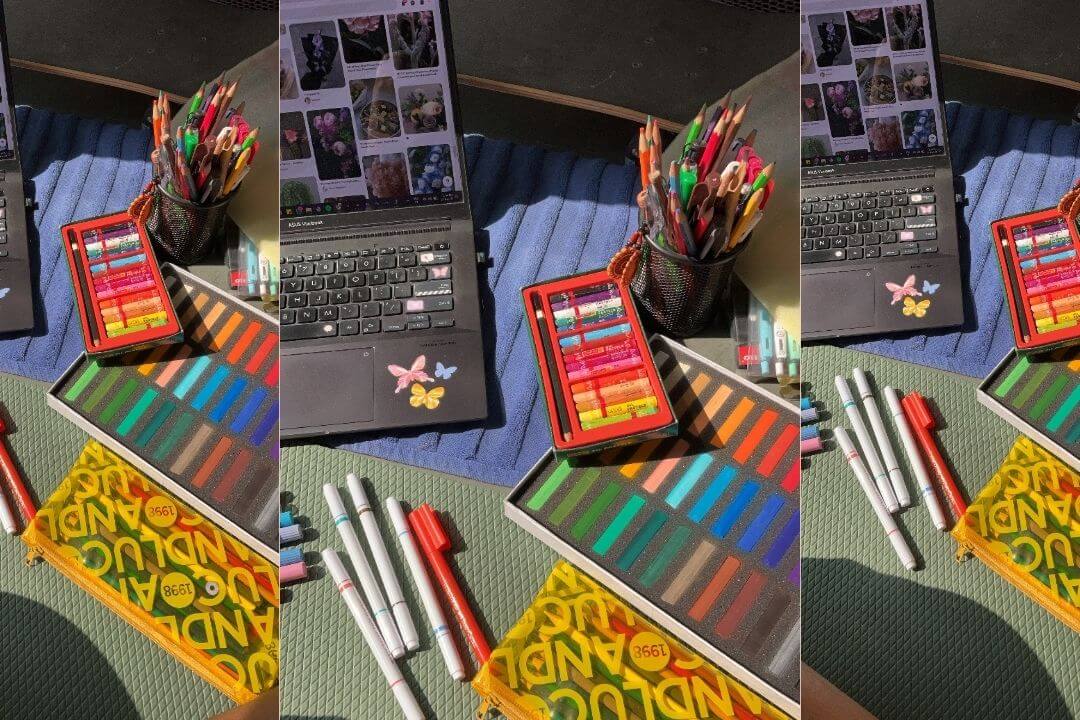 Source: Samridhi Samal | Dupe
Across the globe, people are rethinking what work actually looks like. The unease of the job market, mixed with the trending career crisis, is making us all take a serious step back. Maybe it’s because of burnout, wanting more flexibility, or just not loving the idea of working a typical 9-to-5 forever. Either way, we are all in desperate need of a positive change. This is where our beloved hobbies come in. Hobbies that used to be purely for enjoyment are now turning into side hustles (or even full-on income streams) for many.
 You Don’t Have a Studying Problem, You Have an Organization Problem—Here’s What to Do About It our new favorite hack just dropped CLICK TO READ
If you’ve found yourself thinking, “Why not do what I enjoy, while also making money from it?” you’re not alone. The creator space is expected to hit around $500 billion globally in the next few years, and tens of millions of Americans are already earning money through freelance or independent work. In fact, according to PODpartner, “nearly 39 percent of working Americans now report having a side hustle, with participation jumping to 57 percent among Gen Z and 50 percent among millennials.”
Hobbies, especially creative ones, have the potential to bring in a lot of income; however, it’s not all easy money or overnight success. While some people earn substantial incomes monetizing their hobbies, many make far less, and success often depends on consistency, strategy, and growth. It’s worth saying upfront that turning your hobby into work isn’t for everyone. For some people, monetizing something you love can actually take the fun out of it—and that’s a trade-off you’ll want to think about. However, if you do want to turn your hobbies into a reliable income, we’re sharing 10 hobbies that make money, plus what you need to do (and avoid) to see real returns.
In this article 1 Why More People Are Turning Hobbies Into Income in 2026 2 10 Hobbies That Make Money 3 Mistakes to Avoid When Monetizing a Hobby 4 How to Turn Any Hobby Into Income in 6 Steps
Why More People Are Turning Hobbies Into Income in 2026
In 2026, it’s easier than ever to turn a hobby into income, and a big reason why is access. AI tools have lowered the barrier to entry by helping with everything from design to marketing, and social media gives everyone a chance to reach a large audience and turn them into loyal customers at no cost at all. Not to mention, with the continued growth of the creator economy, more and more platforms are making it possible to monetize content and sell products directly.
There’s also a growing demand for people with niche skills or specific interests who can serve smaller, highly engaged audiences. Think: Watercolor hobbyists might create custom fonts or icons for designers, while scrapbooking enthusiasts could design digital stickers or printable pages for beginners. Digital products, from templates to print-on-demand designs, are just an example. Still, many hobbies like these allow people to sell what they create without worrying about inventory, which is another huge draw. Basically, the barrier to entry is low, and the opportunity is plentiful.
READ: This Year I Decided to Take Freelancing Seriously—Here’s The Tool That Made It Easier
10 Hobbies That Make Money
PODpartner, a global print-on-demand and dropshipping apparel supplier, identified 10 hobbies that make money in 2026. With that said, these aren’t the only hobbies that make money, but they are the ones that PODpartner has noticed generate substantial income and are growing quickly.
1. Digital Illustration and Character Art
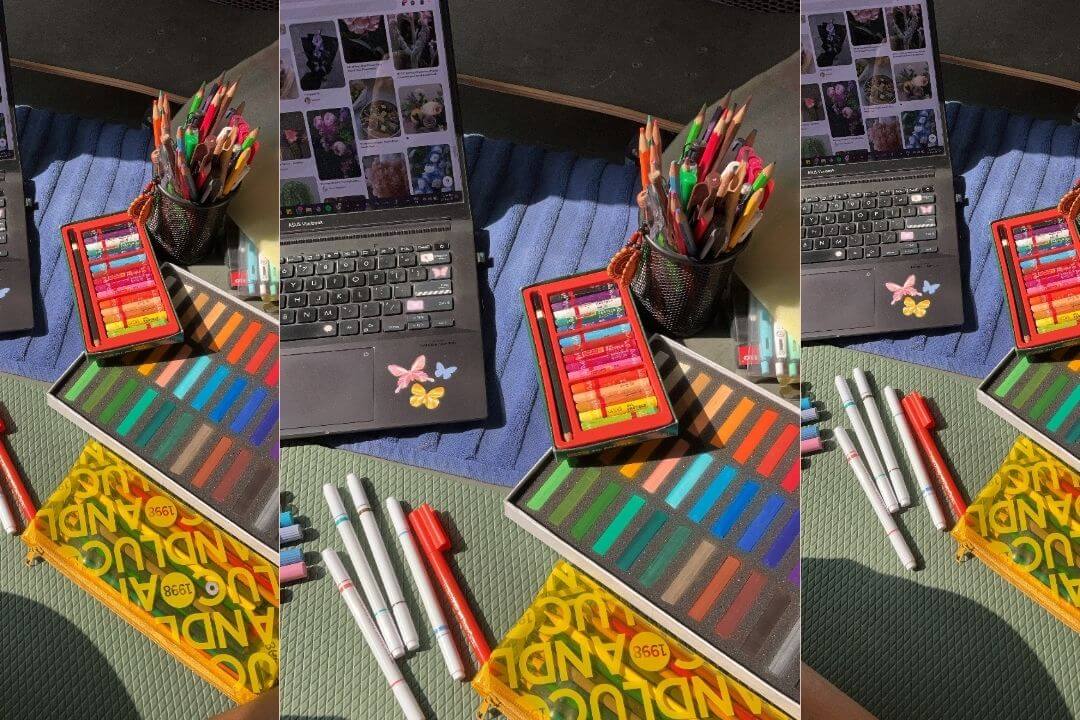
Digital art is one of the fastest-growing creative hobbies. Digital illustration is highly profitable because it converts directly into scalable products like prints, stickers, and apparel. With print-on-demand, one design can generate recurring income with little ongoing effort. Not to mention, the rise of niche fandoms and personalized fan art also drives consistent demand. So, if you’re someone who illustrates just for fun, this is a great option for you. Start by finding a community you’re passionate about, and go from there. For example, maybe you’re a big fan of the ACOTAR series and want to create personal commissions for other fans in the community.
Where to sell: Etsy, Shopify, Patreon, Instagram, TikTok
Average Annual Income: $51,000-$157,000
2. Hand Lettering and Typography
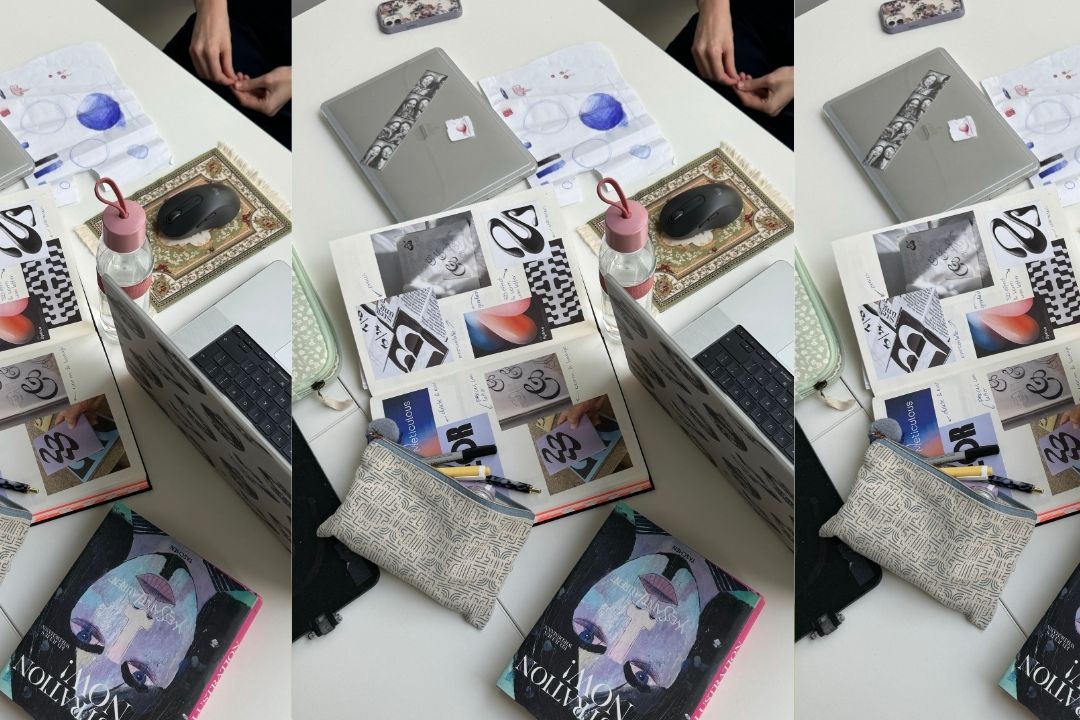
Custom typography sells well because it’s widely used in branding, home decor, and apparel. Businesses and individuals pay premium prices for unique fonts, logos, and quote-based designs. It also adapts perfectly to print-on-demand merchandise. This is perfect for the girls who love doing calligraphy as a hobby. For example, maybe you start out handwriting wedding invitations, or offering your services for handmade event and party banners in your local community.
Where to sell: Creative Market, Etsy, Shopify
Average Annual Income: $47,000-$83,000
3. Photography and Editing
Photography generates income through stock licensing, prints, presets, and social media content. Aesthetic editing styles (like Lightroom presets) are especially profitable because they’re digital products with near-zero cost to reproduce. This is a great way to bring your photography hobby to the next level. The best part is that there’s a market for nearly every aesthetic you can think of, whether that’s nature, skylines, or cityscapes. You can even shoot events, weddings, or families and deliver galleries.
Where to sell: Adobe Stock, Etsy, Shopify, Instagram
Average Annual Income: $40,000-$100,000
4. Pattern and Surface Design
Patterns are in demand across fashion, home decor, and stationery. Designers can license their work or apply patterns to products like fabric, wallpaper, and apparel—creating multiple income streams from a single design. If you love tapping into your artistic side with your hobbies, this is a great way to build on that. You can work digitally with programs like Photoshop or even Canva, or draw your designs by hand.
Where to sell: Spoonflower, Creative Market, Shopify
Average Annual Income: $48,000-$86,000
 Source: Emily Andie | Dupe
5. Graphic Design for Merchandise
Merch design is one of the most scalable creative businesses. Designers create visuals for t-shirts, hoodies, and accessories, then sell them globally without inventory. Print-on-demand allows 50–70 percent profit margins with no inventory risk, making it one of the most accessible income models in 2026. If you’re passionate about graphic design, this is a great option for you. Find a style you love, and offer designs that are unique and in demand. Just make sure to check out the trademark regulations if you are treading the line of a brand-inspired design.
Where to sell: Fiverr, Upwork, Etsy, Shopify
Average Annual Income: $50,000-$80,000
6. Content Creation
In our highly digitized day and age, creators are treating content like a strategic business, not a hobby. Content creation has evolved into a full business model, with income from ads, sponsorships, digital products, and memberships. Just remember that success comes from consistency rather than viral hits. Maybe you’re passionate about beauty and start a beauty YouTube channel where you honestly review products, or maybe you lean into lifestyle content and shoot aesthetic or relatable TikToks. The options really are endless. Share passionately about what you love, be authentic, and you’ll attract an audience of like-minded people.
Where to sell/monetize: YouTube, TikTok, Instagram Reels
Average Annual Income: $53,000-$81,000
7. Crafting and DIY Art
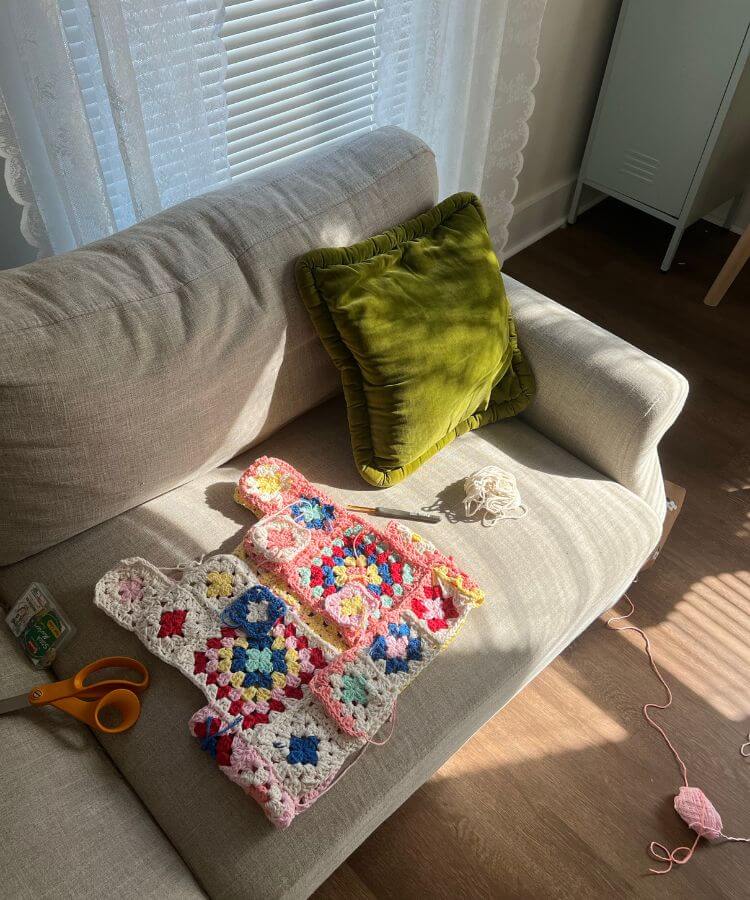
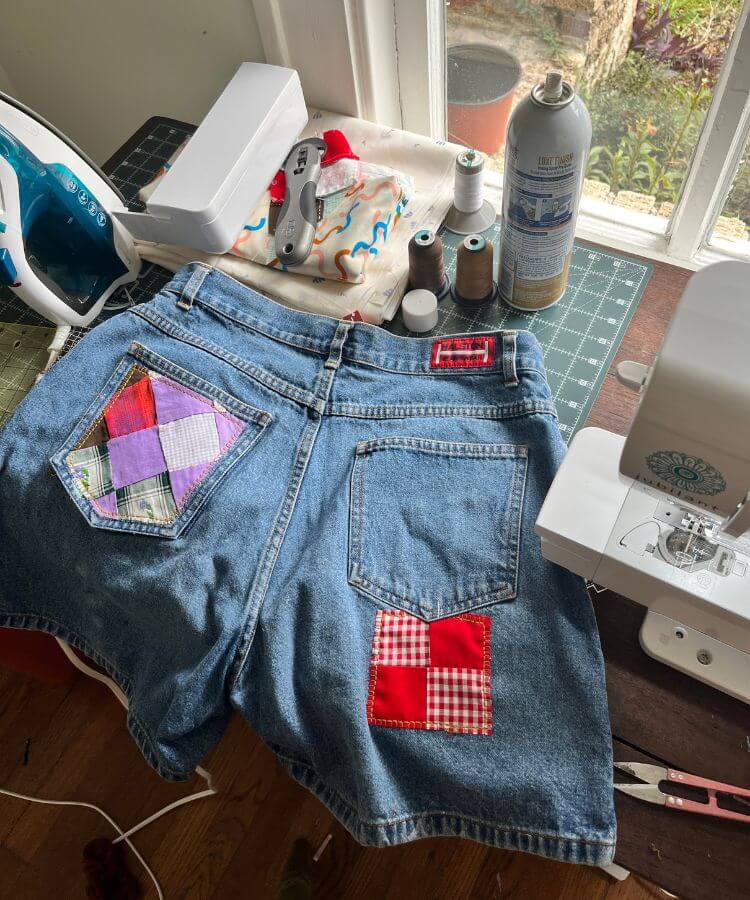
Handmade goods sell at a premium for a reason: they’re unique, personal, and hard to replicate. As demand for personalized gifts and home decor grows, crafty hobbies—like making earrings or crocheting sweaters—can quickly become a source of income. No matter what you craft or DIY—from aromatherapy soaps to pottery sets—there is likely a demand for it. To determine your pricing, do some research on what similar products are selling for on platforms like Etsy.
Where to sell: Etsy, local markets, TikTok Live
Average Annual Income $39,900-$56,000
Are you in need of some hobby inspiration? We have plenty of ideas:
- 20 Feel-Good Hobbies That’ll Give You an Instant Mood Boost
- 14 Unique Hobbies Cool Girls Are Trying This Year
- 16 Cheap Hobbies You Can Start Basically for Free
8. Gaming
Gaming income comes from streaming, sponsorships, ad revenue, and fan donations. With the right niche or personality, gamers can build communities that generate recurring income. And no, that doesn’t mean you have to download the most popular gory video game or learn how to play Fortnite—there are endless niches within the gaming community. You could play cozy games like Animal Crossing or Stardew Valley, or even games like The Sims or Overcooked. Whatever you choose, you’ll find success if you’re consistent and authentic.
Where to sell/monetize: Twitch, YouTube, TikTok, Discord communities
Average Annual Income: $5,000-$30,000
9. Fitness and Wellness
If your hobbies include things like yoga, cooking healthy meals, or meditation, you can actually turn that passion into income by helping others do the same. This hobby monetizes through online coaching, programs, and digital products like meal plans or workout guides. Plus, the shift to remote services has made it even easier to expand beyond local clients. For example, maybe you’re passionate about pilates, so you get certified and offer coaching and fitness plans to clients who want to improve their strength and balance, no matter where they are in the world. Social media makes it so easy to share your experience and expertise so you can help others.
Where to sell: Instagram, TikTok, personal websites
Average Annual Income: $38,100-$72,100
10. Seasonal and Holiday Design
Who doesn’t love the holidays? Seasonal products (such as Christmas sweaters, Halloween decor, or Valentine’s Day gifts) sell in predictable cycles and can generate recurring yearly income. This is the best option for those of you who thrive during a specific holiday and create special gifts for friends or family for fun. Think: You always have the best galentine’s crafts to share, or you knock it out of the park with your DIY Fourth of July decor. The best part about seasonal offerings is that you can often reuse and update winning products or designs annually. It’s low-lift, high-reward.
Where to sell: Etsy, Amazon, Shopify
Average Annual Income: $30,500-$108,000
Mistakes to Avoid When Monetizing a Hobby
- Trying to monetize too fast before you’ve built skills, an audience, or a clear offer
- Not niching down and trying to appeal to “everyone” instead of a specific group
- Undervaluing your work (or overcorrecting and pricing without a strategy)
- Spreading yourself too thin across too many platforms or ideas at once
- Skipping consistency—showing up irregularly makes it hard to build momentum
- Not reinvesting in tools, learning, or improving your craft
- Comparing your early stages to someone else’s
- Burning out by turning all your free time into work
 Source: Olivia Havener | Dupe
How to Turn Any Hobby Into Income in 6 Steps
Turning a hobby into income is absolutely possible, but it rarely happens overnight. It takes consistency, patience, and a willingness to learn what’s actually going to bring in any money. Treating your hobby like a real business—by researching your market and refining your product or service—is what ultimately makes the difference between success and failure.
1. Validate demand
Before you try to sell anything, make sure people actually want it. Look at what others in your space are offering, read reviews, check what’s trending, and see where people are already spending money. If you can spot gaps—like common complaints or needs that haven’t been met—you’ve got a strong starting point. For example, maybe you notice lots of generic fitness plans online, but only a few tailored specifically for busy women who only have 20 minutes a day. That gap could be your opportunity.
2. Pick a niche
The more specific you are with your brand or product, the easier it is to stand out. Instead of being “a photographer” or “an artist,” narrow it down to a particular style, audience, or use. A clear niche helps you attract the right people and makes your work more memorable (and marketable). For example, instead of just selling “handmade candles,” you could specialize in pet-safe candles for those who have a beloved furry friend at home.
3. Start small
Don’t overcomplicate things in the beginning. Focus on one simple, clear offer—whether it’s a product, service, or piece of content—and get that right first. This makes it easier to test, improve, and start earning without feeling too overwhelmed. For example, if you love baking, start by selling a small batch of specialty cookies to friends or at local events before investing in a full storefront or upping your inventory.
4. Use established platforms
Use platforms that already have built-in audiences to do most of the work for you. Marketplaces and social media channels such as Etsy, Fiverr, and TikTok make it easier to get discovered without needing to build everything from scratch. They’re also great for testing ideas quickly and seeing what resonates with different audiences.
5. Seek out feedback
Early feedback is incredibly valuable for growth—especially if it’s from people close to you who aren’t afraid to tell you the painfully honest truth. Ask your first customers, friends, and family what they liked, what could be better, and what they’d want to see done differently. Use that input to refine your product or service and improve the overall experience for your next customers.
6. Scale
Once something is actually working, that’s when it’s time for you to expand. Turn your best ideas into digital products you can sell repeatedly, or focus on building long-term client relationships for steady income. Scaling is about working smarter, not harder, so your effort goes further over time.